Observations & Fragments · Arts Theatre & Heritage
Field Notes
Fifty atmospheric fragments on heritage, gathering, atmosphere, and the spaces where public life still happens.
Batch One · Notes 1–10
Memory, sound and the warmth of gathering
Field Note 01
Buildings Remember Gathering
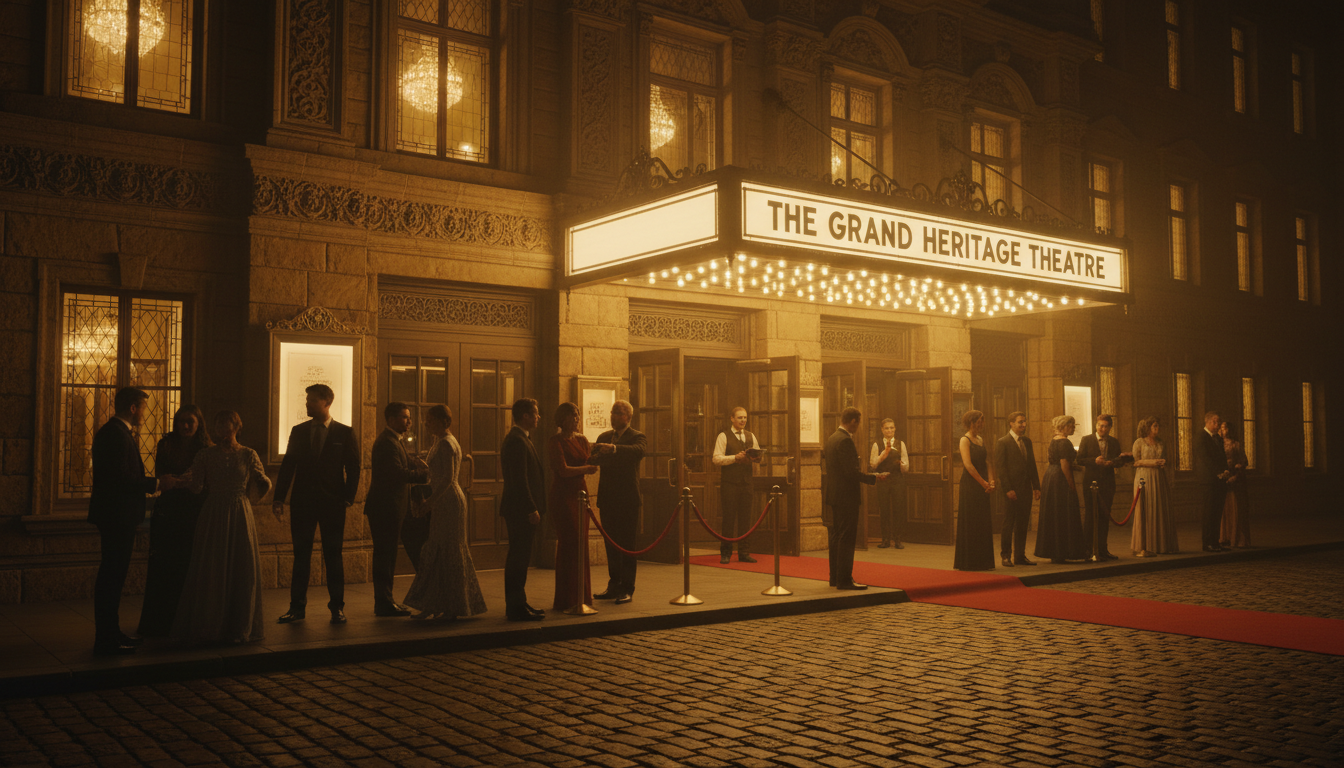
Some buildings hold memory more visibly than others. Empty chairs after rehearsal. Worn stone near doorways. The faint smell of dust, timber and warm lighting before an audience arrives. Historic spaces remember gathering long after people have gone home.
Field Note 02
Rehearsal Changes Architecture
A church feels entirely different once rehearsal begins. Music softens stone. Voices alter scale. Warmth returns to corners which seemed distant only moments earlier. Buildings designed for gathering recognise sound instinctively.
Field Note 03
Atmosphere Is Operational
Lighting changes behaviour. Warmth changes behaviour. The distance between chairs changes behaviour. Atmosphere is not decorative. It quietly shapes how people experience one another inside a space.
Field Note 04
Some Buildings Wake Up After Dark
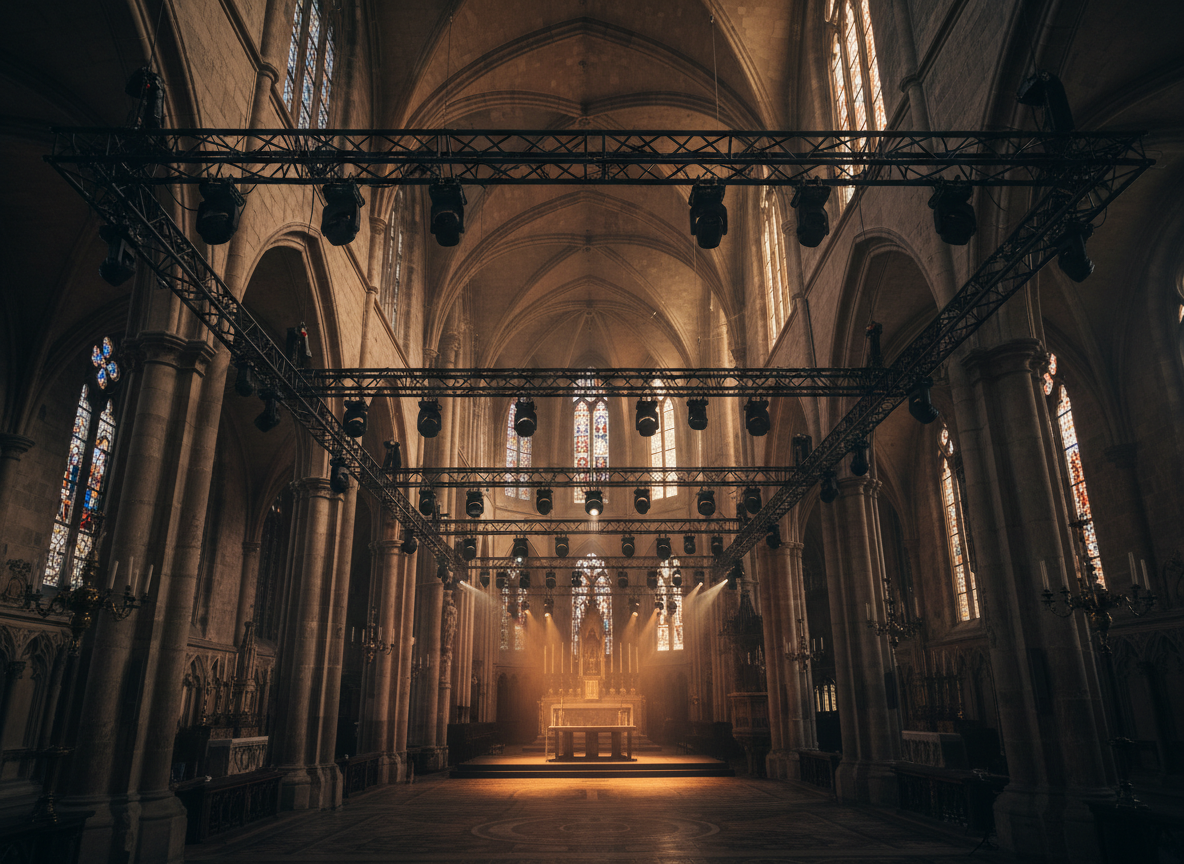
There are churches which only fully reveal themselves in the evening. Once daylight fades and warm light settles across the stone, the building stops feeling observed and begins feeling inhabited again.
Field Note 05
Heritage Needs Participation
Historic buildings rarely become fragile all at once. More often they slowly drift away from public life until people stop building memories inside them. Preservation matters deeply, but participation keeps buildings emotionally alive.
Field Note 06
Empty Theatres Still Hold Anticipation
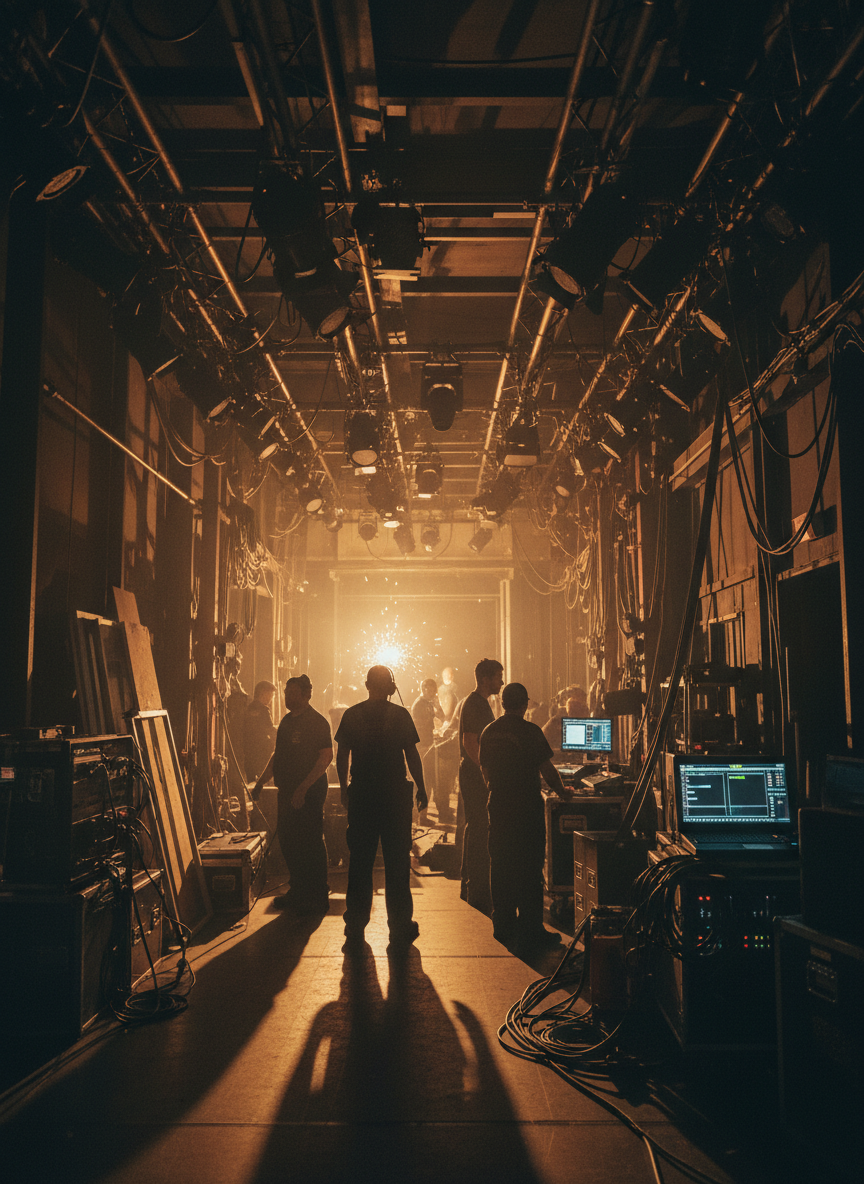
An empty theatre is never entirely empty. The silence carries expectation. Somewhere beyond the curtain a technical check happens beneath low working light while the auditorium waits quietly for people to arrive.
Field Note 07
Warm Light Changes Conversation
People speak differently in warm spaces. They linger longer. Conversations soften. Historic buildings illuminated carefully after dark often become emotionally more welcoming than they ever appear in bright daylight.
Field Note 08
Buildings Were Designed For People
Many heritage spaces become emotionally incomplete once disconnected from ordinary gathering. Churches, halls and theatres were not created simply to survive architecturally. They were designed to hold human experience.
Field Note 09
Public Life Leaves Marks On Buildings
The most meaningful heritage spaces are rarely perfect. They carry traces of use, rehearsal, gathering and memory. Atmosphere accumulates slowly over years of participation.
Field Note 10
Music Changes Emotional Scale
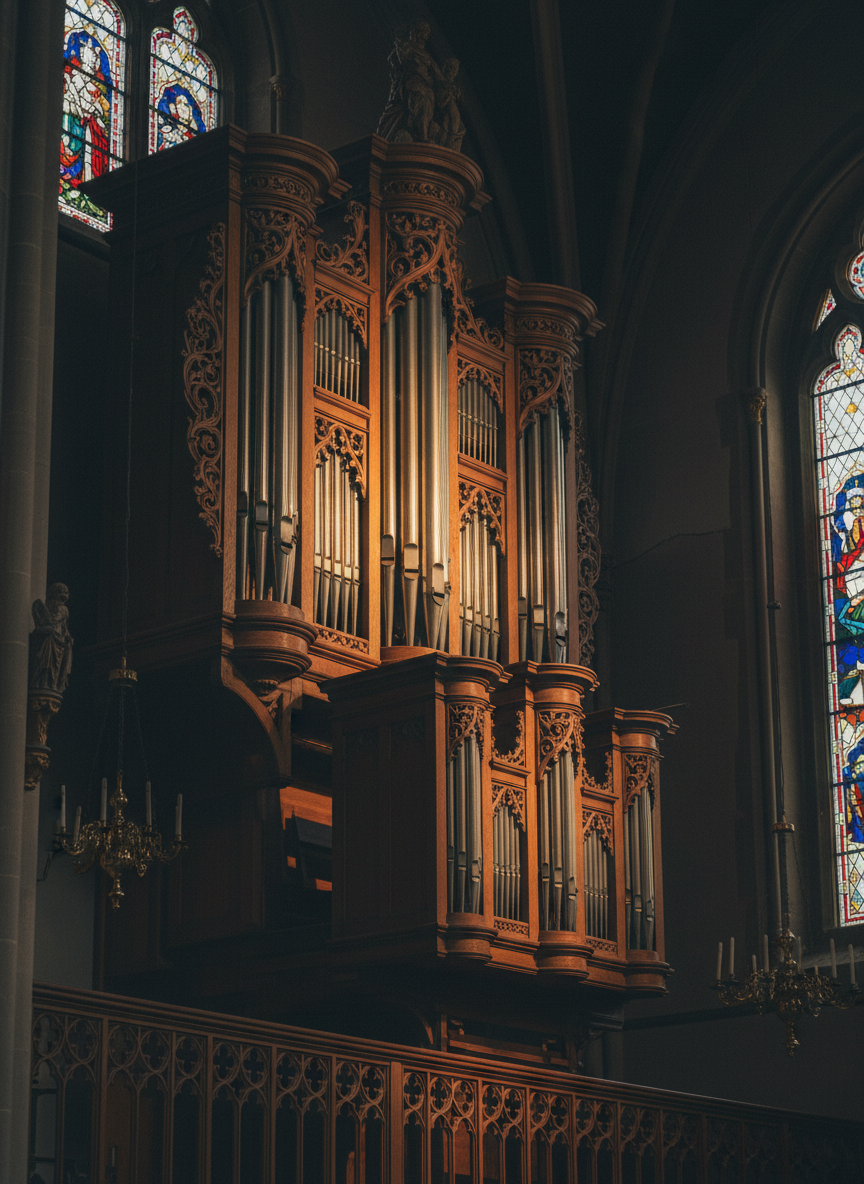
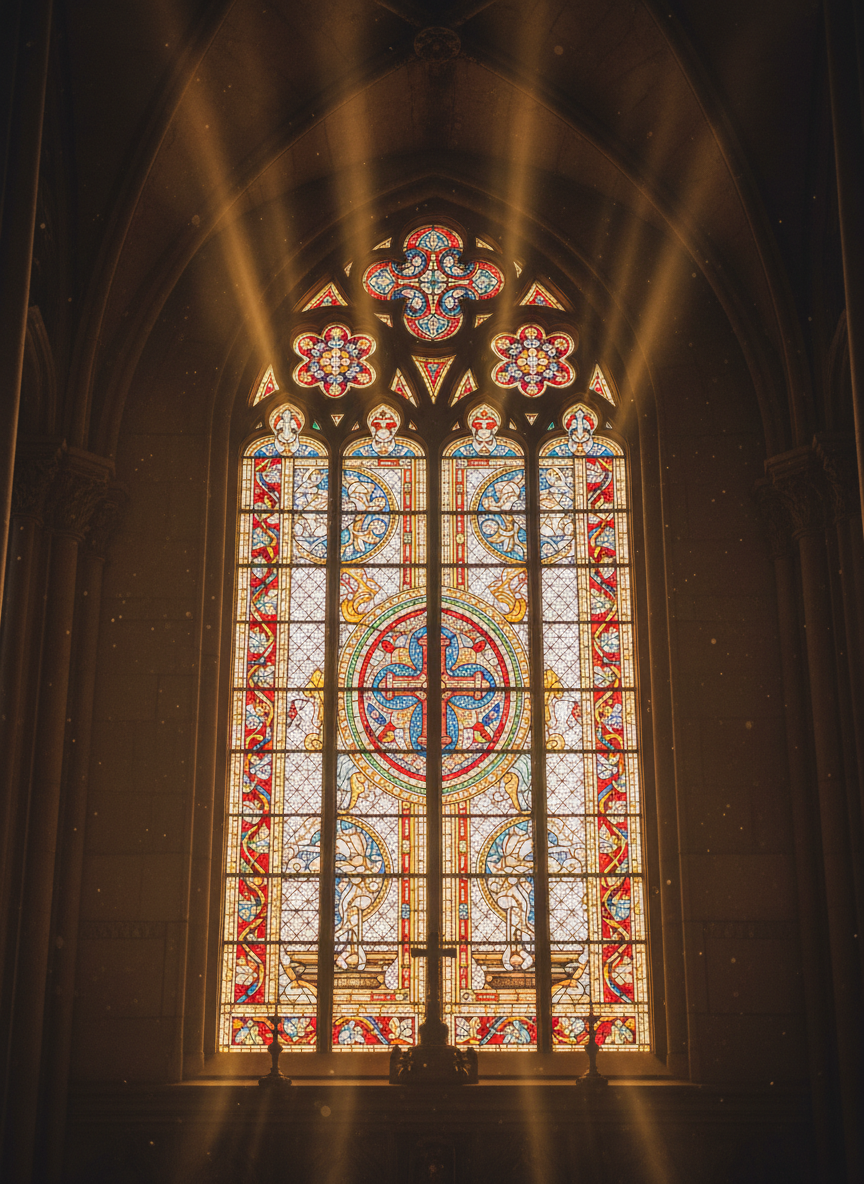
Pipe organs alter buildings physically and emotionally at the same time. Sound rises into architecture differently once stone, timber and air begin participating together. Silence itself changes once the music has ended.
Buildings survive through use.
Batch Two · Notes 11–20
Backstage, stillness, and what buildings know
Field Note 11
Backstage Is Part Of The Experience
Audiences rarely see the quiet preparation before performance begins. The lighting checks. The whispered conversations. The final movement of chairs beneath working light. Yet backstage atmosphere becomes part of the emotional memory of a place.
Field Note 12
Some Spaces Invite Stillness Naturally
There are buildings where people lower their voices instinctively without ever being asked. Atmosphere shapes behaviour long before formal rules do.
Field Note 13
"Historic spaces sometimes become emotionally quiet long before they become physically endangered. Empty evenings change buildings slowly."
Field Note 14
Choirs Understand Architecture Emotionally
Choirs often know buildings differently from everyone else. They understand how sound moves through stone, where warmth gathers and how silence behaves once the final note disappears.
Field Note 15
Heritage Exists In Atmosphere Too
Conservation protects physical fabric, but atmosphere also forms part of heritage. Warmth, gathering, music and memory shape how buildings survive within public life.
Field Note 16
Arrival Matters
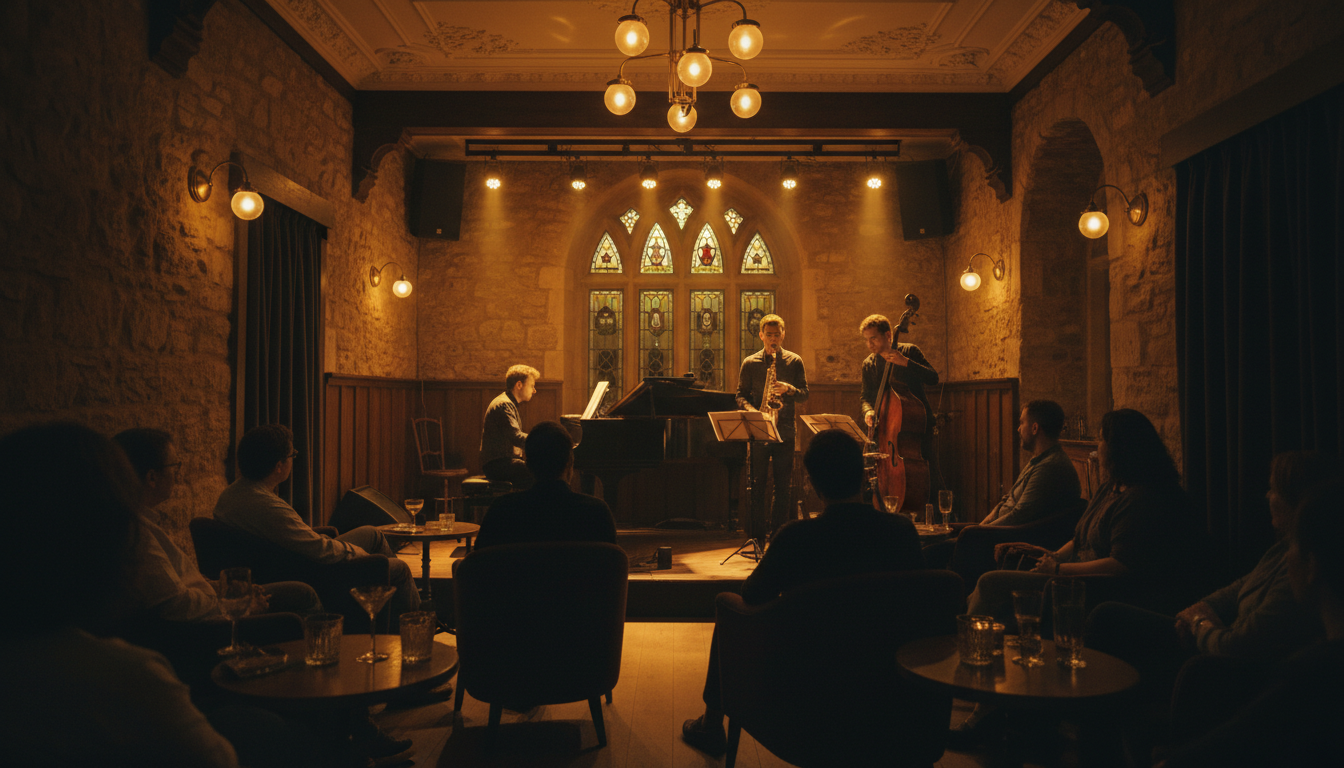
The experience of a building often begins before someone enters it. Light spilling through windows after dark can change how people feel before they even reach the door.
Field Note 17
"Some spaces feel bright even in rain. Others remain cold beneath sunlight. Atmosphere is shaped by more than architecture alone."
Field Note 18
Public Spaces Need Invitation
People return to places where they feel emotionally welcomed. Historic buildings become strongest when atmosphere softens the distance between architecture and public life.
Field Note 19
Organ Pipes Alter Silence
Even before music begins, organ pipes change the emotional scale of a room. Their presence alone reshapes atmosphere.
Field Note 20
Gathering Creates Memory
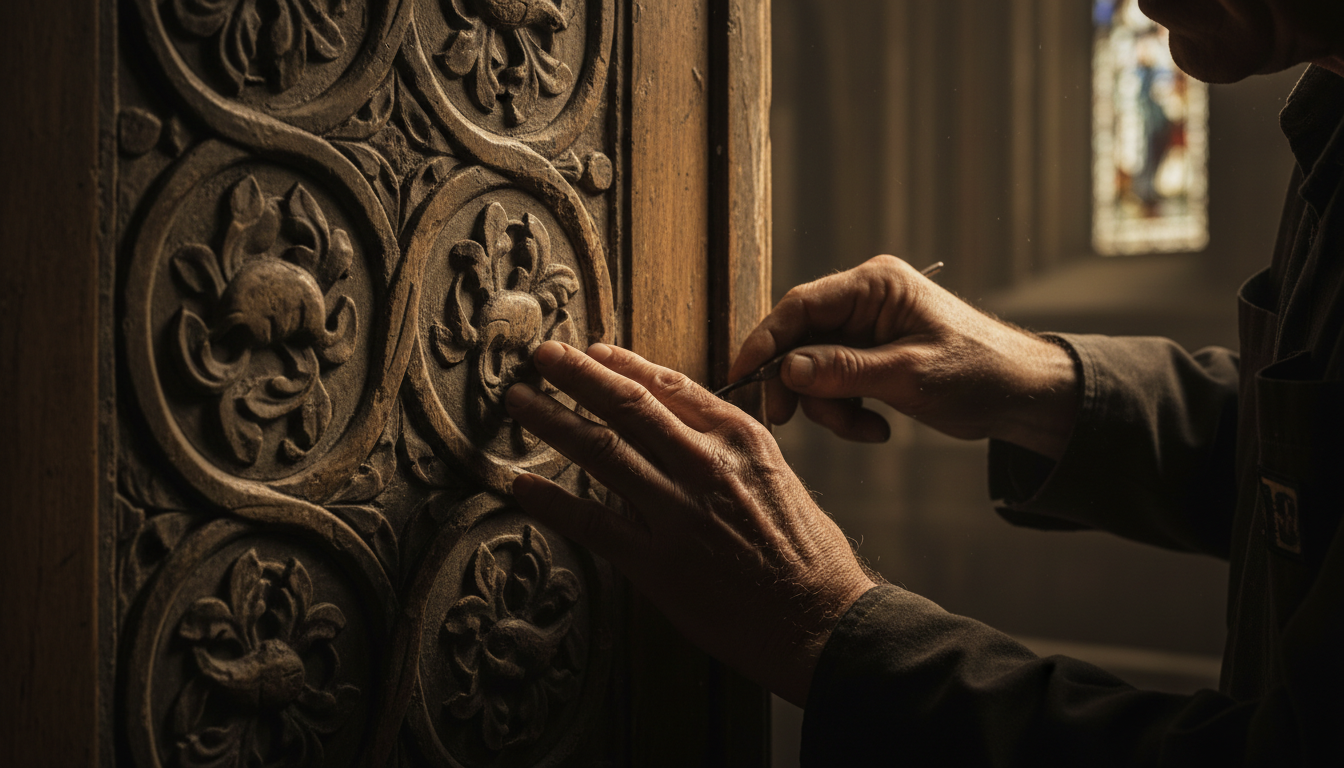
Communities protect spaces where they have experienced something meaningful together. Memory becomes part of preservation.
Atmosphere is never accidental.
Batch Three · Notes 21–30
Technical care, winter light, and the logic of atmosphere
Field Note 21
Technical Crews Shape Atmosphere Quietly
The best technical work often disappears completely into the emotional experience of a room. Lighting, sound and timing influence how people feel long before they consciously notice why.
Field Note 22
"A warmly lit church on a dark winter evening can feel less like architecture and more like refuge."
Field Note 23
Audience Anticipation Has Its Own Sound
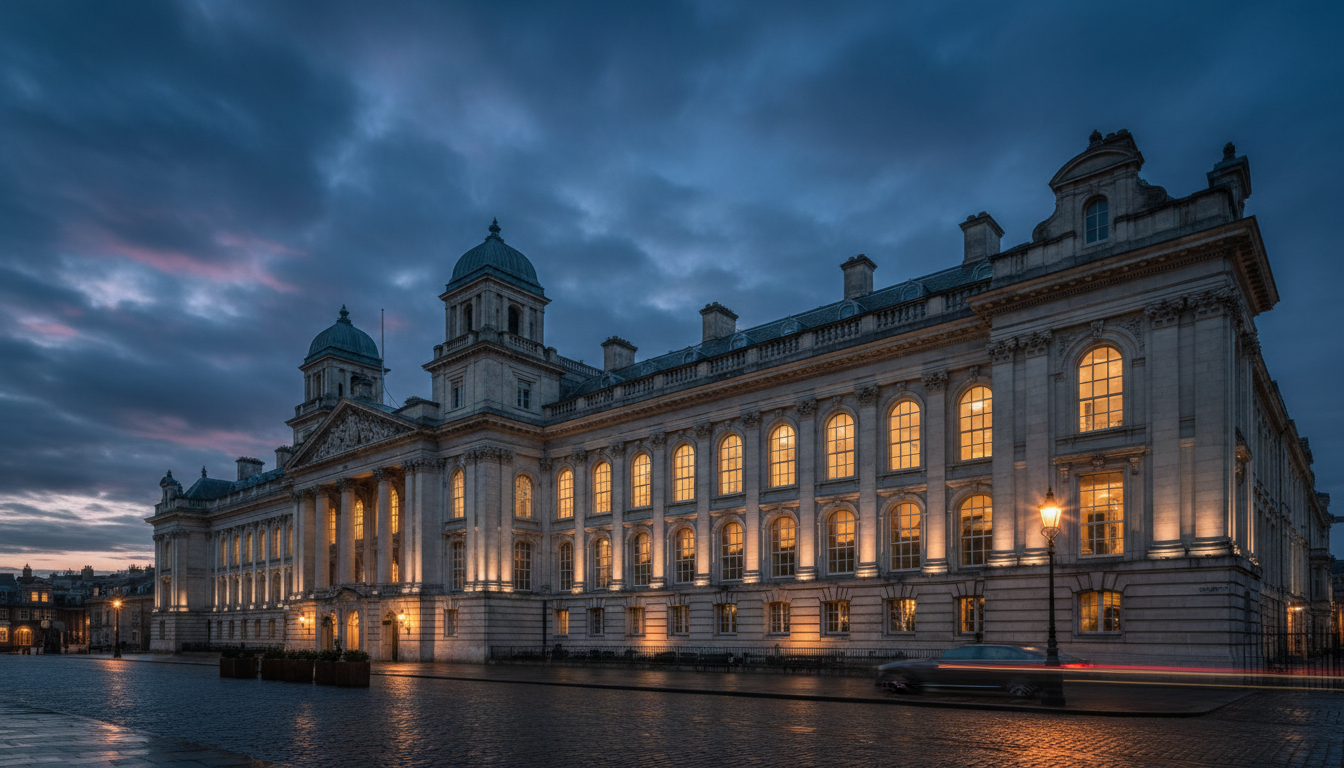
Before performances begin there is a particular kind of atmosphere made from conversation, movement, programmes unfolding and quiet expectation beneath theatre lighting.
Field Note 24
Heritage Becomes Fragile Through Distance
Buildings rarely lose significance suddenly. More often they slowly drift beyond ordinary public experience until they become admired rather than inhabited.
Field Note 25
Atmosphere Requires Care
Meaningful spaces rarely happen accidentally. Someone usually moved the chairs, softened the lighting, opened the doors early or stayed late preparing the room.
Field Note 26
Rehearsal Is Public Life Too
A building does not need a full audience to feel alive. Even small rehearsals reconnect architecture to participation and sound.

Field Note 27
Certain Rooms Hold Presence
Some spaces continue carrying emotional weight even while standing empty. Years of gathering leave traces difficult to explain but easy to feel.
Field Note 28
"A church can feel vast and distant until rehearsal begins. Then suddenly the building feels human again."
Field Note 29
Preservation Needs Emotion
People rarely fight passionately for buildings they only understand intellectually. Emotional connection sustains heritage.
Field Note 30
Meaningful Buildings Rarely Feel Finished
The most loved cultural spaces usually continue evolving slowly through use, memory, adaptation and gathering across generations.
Gathering creates memory.
Batch Four · Notes 31–40
Evening, rhythm, and the quiet work of volunteers
Field Note 31
Evening Changes Buildings
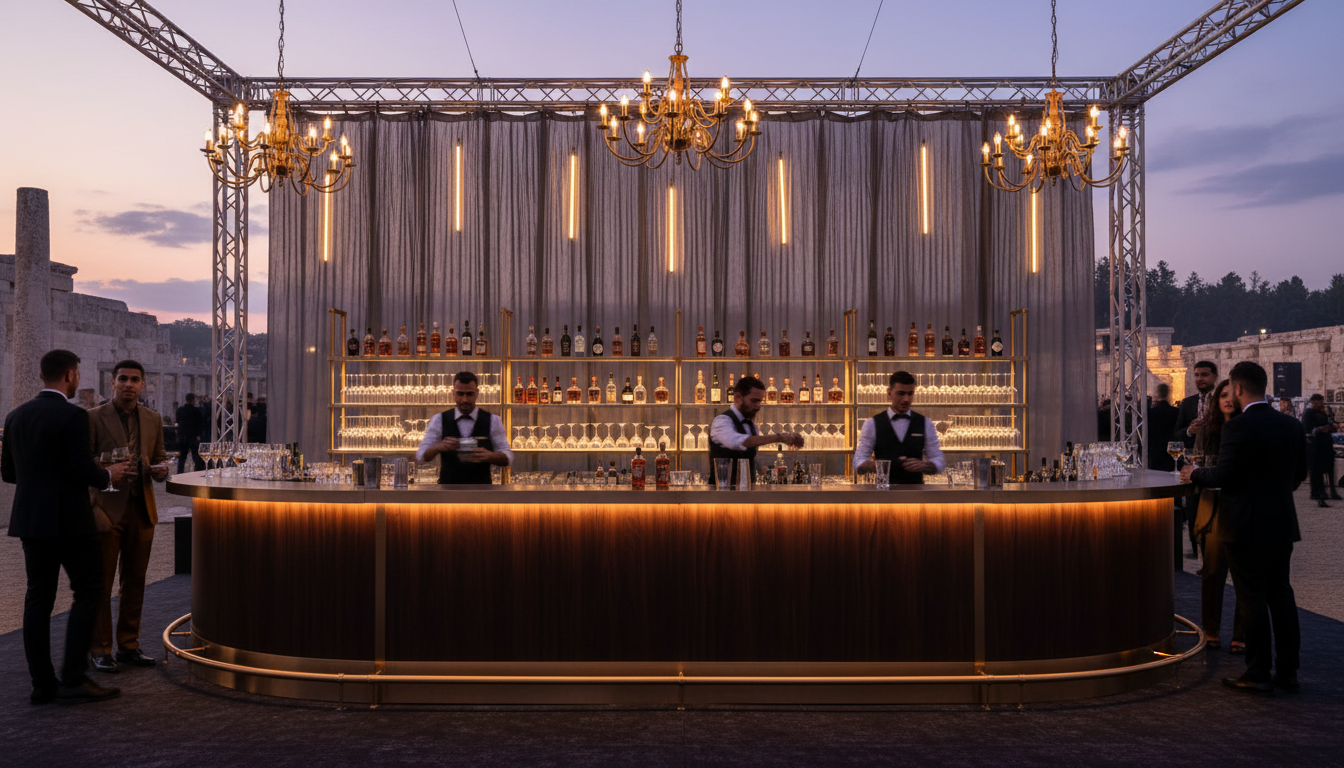
A heritage space after dark often feels closer to people than it does during the day. Light becomes intentional once the outside world disappears into shadow.
Field Note 32
The Sound Check Matters Too
Some of the most revealing moments inside theatres and churches happen before audiences arrive. Fragments of music drifting through empty spaces tell the truth about a building's purpose.
Field Note 33
Heritage Lives Through Use
Buildings survive most naturally when people continue gathering inside them. Public life protects architecture in ways policy alone never fully can.
Field Note 34
"Many cultural spaces survive because somebody quietly arrives early, unlocks doors, makes tea, stacks chairs or keeps rehearsals running without seeking recognition."
Field Note 35
Atmosphere Is Built Slowly
Meaningful spaces are rarely created instantly. Atmosphere accumulates gradually through repetition, care, memory and participation.
Field Note 36
Certain Spaces Encourage Belonging
Some buildings instinctively invite people to stay longer than they intended. Warmth, sound and gathering soften the edges of unfamiliar places.
Field Note 37
Empty Chairs Carry Memory
A room after rehearsal often feels emotionally fuller than it did before people arrived. Gathering leaves traces behind it.
Field Note 38
Light Creates Emotional Geography
The same room can feel entirely different depending on how light settles across it. Warmth changes movement, conversation and attention.
Field Note 39
Churches Understand Music Naturally
Stone, timber and height shape sound differently from modern environments. Some buildings were designed around collective listening long before amplification existed.
Field Note 40
Public Life Keeps Buildings Visible
Once activity disappears from heritage spaces, communities slowly stop expecting life inside them. Silence changes character over time.
Some buildings still wait for music.
Batch Five · Notes 41–50
Doorways, trust, and the buildings still waiting for music
Field Note 41
Buildings Need Rhythm
Historic spaces often become strongest when they return to regular patterns of rehearsal, performance, gathering and preparation. Rhythm creates familiarity.
Field Note 42
Heritage Is Emotional Infrastructure
Certain buildings quietly support the emotional life of communities through memory, atmosphere, continuity and gathering across generations.
Field Note 43
"Crossing from cold streets into warm heritage interiors after dark can feel unexpectedly moving. Transition shapes experience."
Field Note 44
Spaces Remember Sound
Even after music ends, some buildings continue holding its presence for a while as though the architecture itself is reluctant to let silence return fully.
Field Note 45
Cultural Life Depends Upon Preparation
Every audience experience begins long before the audience arrives. Someone always prepares the atmosphere first.
Field Note 46
Buildings Change Once They Expect People Again
A church illuminated for rehearsal feels emotionally different from one standing permanently dark. Anticipation restores warmth to architecture.
Field Note 47
Temporary Spaces Can Become Deeply Meaningful
Some of the strongest cultural experiences happen inside buildings never originally designed for performance at all. Atmosphere matters more than perfection.
Field Note 48
"People relax more naturally in spaces which feel emotionally intentional. Warmth and care shape participation quietly."
Field Note 49
Heritage Requires Human Presence
Architecture alone cannot fully sustain cultural life. Buildings designed for gathering depend upon people returning to them repeatedly.
Field Note 50
Some Buildings Still Wait For Music
There are spaces where silence never quite feels permanent, as though the building itself still expects rehearsal to begin again at any moment.
End of Batch Five
"There are spaces where silence never quite feels permanent, as though the building itself still expects rehearsal to begin again at any moment."
Field Note 50